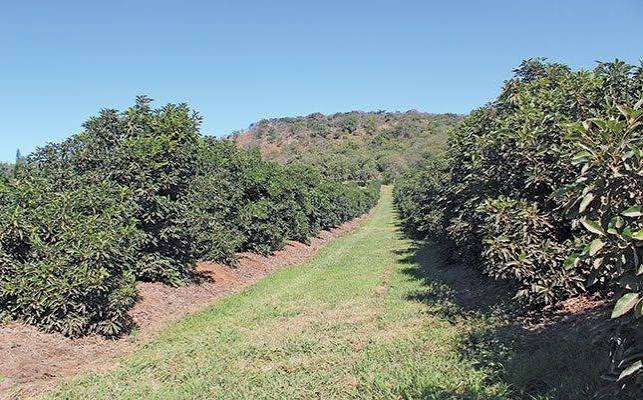
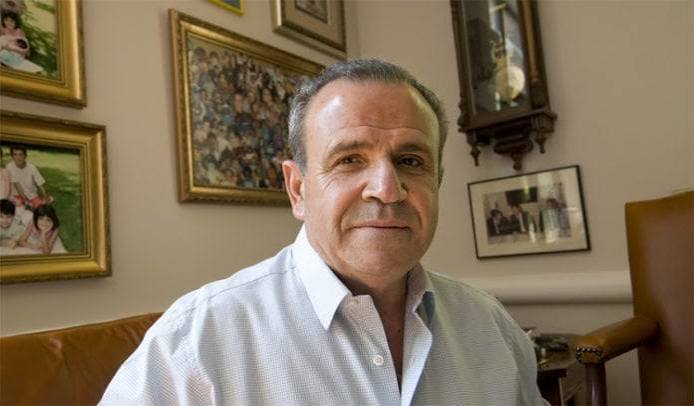
A prominent Zimbabwean businessman Simon Rudland has invested in a $25 million citrus processing plant in Beitbridge and with this operation, employment opportunities have been created.
A total of 350 people has been employed, however 60% of them are seasonal as the citrus harvesting runs to a fixed calendar. The management aims to reach 1 500 within the next five years once the planned 5 000-hectare citrus plantation comes into production, which would also secure the plant’s own fruit supply.
The citrus plant is certified to supply juice to Schweppes Zimbabwe Limited and targets export markets across the region. Beitbridge has historically been a transit town rather than a manufacturing one, handling the flow of goods and people across the Limpopo River into South Africa. A processing plant of this size gives it an industrial base of its own.
Besides producing citrus juice, the facility extracts orange essential oils for the cosmetics and fragrance industries while converting citrus waste into livestock feed, allowing the company to diversify revenue streams and minimise production waste.
The facility, developed by Orangeville Investments, comes months after Rudland commissioned a $102 million tobacco processing plant in Harare, signalling a broader strategy to build processing capacity around some of Zimbabwe’s biggest agricultural exports rather than relying on raw commodity sales.
Orangeville was established in Beitbridge in 2024 with an initial investment of $20 million. A further $5 million has since been committed, taking the total to $25 million.
Challenges:
- Inconsistent supplies from nearby growers, many of whom sell to buyers offering more, and high transport costs remain the main operational problems. A processor without its own orchards is at the mercy of whoever bids highest for the fruit.
- Water is the other constraint. The plant draws about 40% of its supply from Zhove Dam, an arrangement intended to give it resilience in a country facing another forecast dry season. The operation extracts more than juice. Processing lines produce orange essential oil for the cosmetics industry and convert citrus residue into livestock feed supplements and pellets, which turns waste into a second revenue stream.
Matabeleland South Minister, Albert Nguluvhe toured the facility and said the government is ready to facilitate further investment in the province. He encouraged the company to diversify into fodder production to support livestock farmers during dry spells, and said future investment should include a workers’ clinic and a preschool.
Who is Simon Rudland?
Rudland was born in Harare in 1971 and is among Zimbabwe’s wealthiest businessmen, with a portfolio reported at more than $1 billion. He co-founded Gold Leaf Tobacco Corporation with his business partner Yakub Mahomed, building it into one of southern Africa’s largest cigarette manufacturers and distributors under the Rudland and George brand.
His interests now span manufacturing, agriculture, finance, logistics, mining and banking across Zimbabwe and the Democratic Republic of Congo, employing more than 10,000 people. He and his brother have been active investors on the Zimbabwe Stock Exchange, holding positions in the insurer Zimre through their vehicle Day River Corporation and in the agricultural group CFI Holdings.
He has also been the subject of civil proceedings in South Africa. The South African Revenue Service obtained a preservation order in August 2022 freezing assets belonging to Gold Leaf Tobacco and its directors, including Rudland, over alleged tax evasion, and in December 2023 filed a damages claim against Sasfin Bank alleging it had facilitated the laundering of untaxed funds linked to his operations. Those matters are civil rather than criminal, and no convictions have been reported.
Orangeville said production and export figures for the current harvest will be released once harvesting is complete.